

Plug-In Hybrid vs Fully Electric
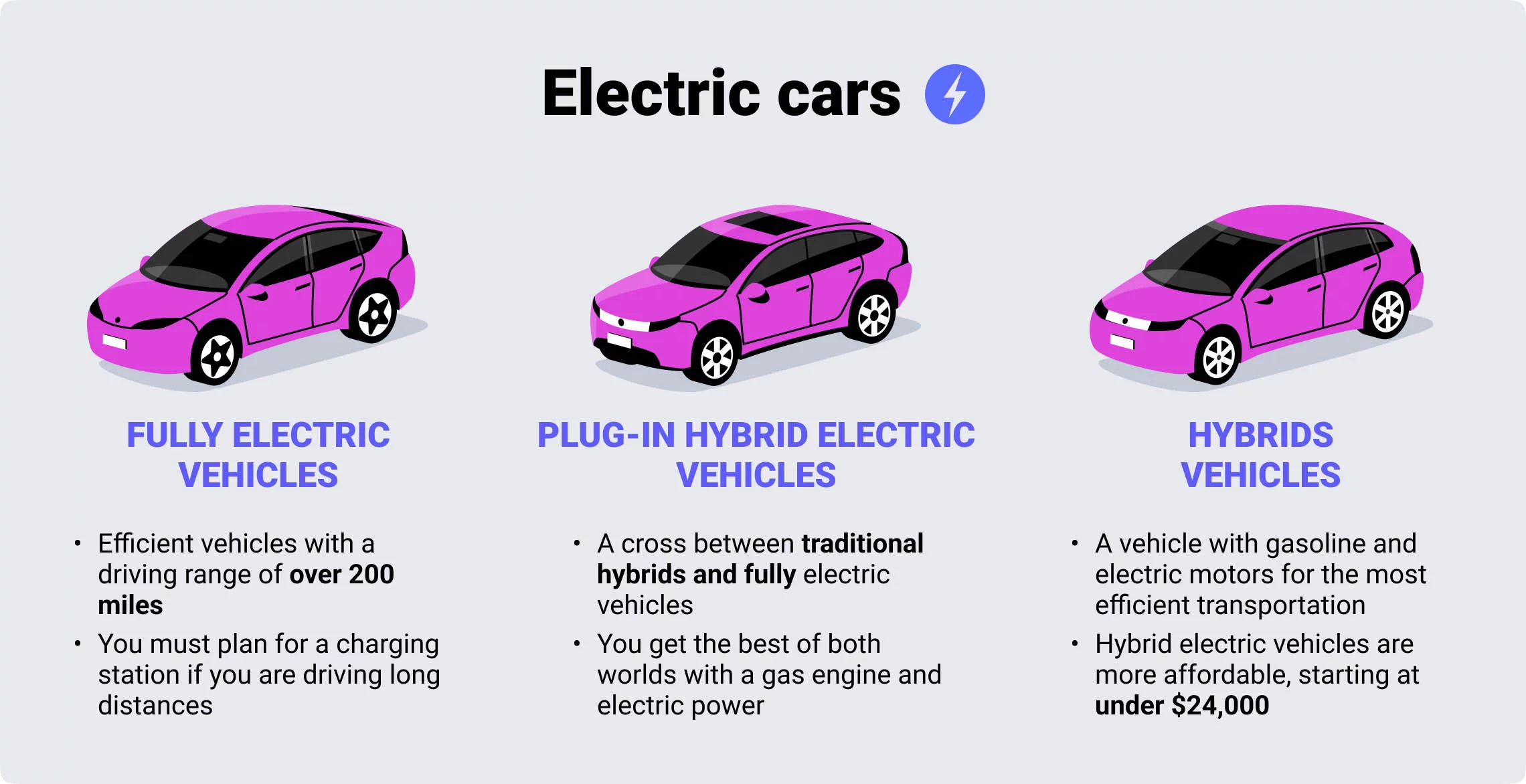
When considering the financial return on investment for commuters in 2026, it is essential to compare the cost of ownership between plug-in hybrids and fully electric vehicles over a 5-year period. Let's delve into the key factors that influence the financial ROI for commuters when choosing between these two types of vehicles.
Cost of Ownership
- Plug-In Hybrid: Initial purchase price is typically lower than fully electric vehicles. However, maintenance costs may be slightly higher due to the dual powertrain system.
- Fully Electric: Higher upfront cost but lower maintenance expenses as there are fewer moving parts and no need for oil changes.
Potential Savings
- Plug-In Hybrid: Savings on fuel costs as it can run on electric power for shorter commutes. Tax incentives may also be available for plug-in hybrids.
- Fully Electric: Significant savings on fuel as there is no need for gasoline. Additionally, tax incentives and rebates are often more substantial for fully electric vehicles.
Depreciation Rates
- Plug-In Hybrid: Typically experience higher depreciation rates compared to fully electric vehicles due to advancements in electric vehicle technology.
- Fully Electric: Depreciation rates are generally lower over time, especially as the demand for electric vehicles continues to rise.
Environmental Impact and Cost Savings
When it comes to the environmental impact and cost savings of plug-in hybrids versus fully electric vehicles, several factors need to be taken into consideration. Let's explore how these aspects play a crucial role in determining the financial ROI for commuters.
Environmental Impact
Plug-in hybrids have a lower environmental impact compared to traditional internal combustion engine vehicles, as they can operate on electric power for shorter distances, reducing emissions. However, fully electric vehicles produce zero tailpipe emissions, making them the more environmentally friendly option in terms of daily operation.
Potential Long-Term Cost Savings
Owning a fully electric vehicle can lead to significant long-term cost savings compared to a plug-in hybrid. Fully electric cars have fewer moving parts, resulting in lower maintenance costs over time. Additionally, the cost of electricity is generally lower than gasoline, providing savings on fuel expenses.
Impact of Government Incentives and Rebates
Government incentives and rebates can significantly impact the financial ROI of both plug-in hybrids and fully electric vehicles. Many governments offer tax credits, rebates, and other incentives to promote the adoption of electric vehicles, making them more cost-effective for consumers.
Resale Value
When it comes to resale value, fully electric vehicles tend to hold their value better than plug-in hybrids. This is mainly due to advancements in battery technology, increasing range, and consumer demand for electric vehicles. Higher resale value can positively affect the overall financial picture for commuters, offsetting the initial investment in an electric vehicle.
Charging Infrastructure and Convenience
As the shift towards electric vehicles continues to gain momentum, the availability and accessibility of charging infrastructure play a crucial role in determining the practicality of owning a plug-in hybrid or fully electric vehicle for commuters.
Charging Stations Availability
Charging stations for electric vehicles have been steadily increasing in number, with many public charging stations now available in various locations such as shopping centers, parking lots, and along highways. This accessibility makes it easier for fully electric vehicle owners to find a charging station when needed.
Charging at Home
One of the key advantages for fully electric vehicle owners is the convenience of charging at home. By installing a home charging station, owners can easily top up their vehicle's battery overnight, eliminating the need to visit public charging stations regularly.
This convenience factor is a significant benefit compared to plug-in hybrid owners who may still rely on gasoline for longer trips.
Home Charging Station Setup
Setting up a home charging station involves initial costs for the charger unit and installation. However, over time, the savings from charging at home compared to fueling up at gas stations can provide a substantial financial advantage for fully electric vehicle owners.
The logistics of setting up a home charging station may vary depending on the property and electrical system, but advancements in technology have made this process more straightforward and user-friendly.
Fast-Charging Technology
Advancements in fast-charging technology have significantly improved the charging experience for electric vehicle owners. Fast-charging stations are becoming more prevalent, allowing commuters to recharge their vehicles quickly during long journeys. This technology not only enhances the convenience factor but also influences the financial ROI for commuters by saving time and reducing the need for frequent stops.
Performance and Driving Experience
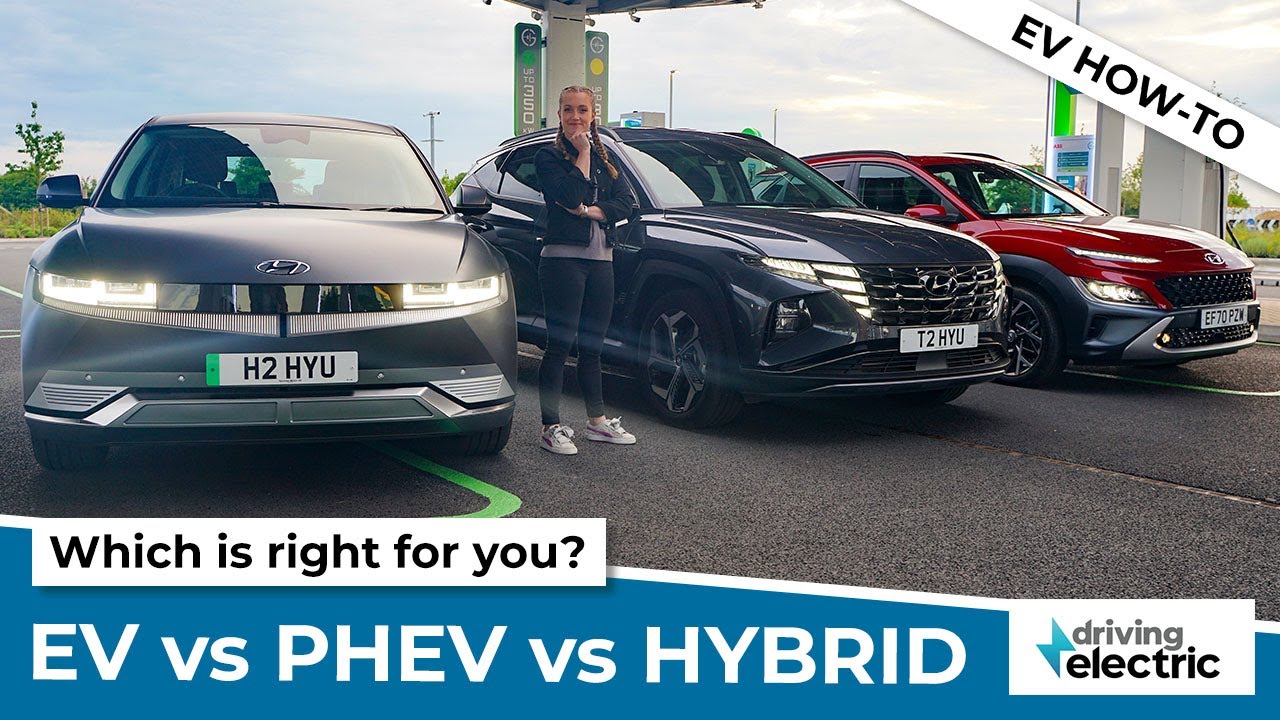
When it comes to choosing between a plug-in hybrid and a fully electric vehicle, performance and driving experience play a crucial role in the decision-making process. Let's delve into the key factors that impact the driving experience and financial ROI for commuters.
Driving Range and Acceleration
- Plug-in Hybrids: These vehicles typically have a shorter electric-only driving range compared to fully electric vehicles. However, the presence of a gasoline engine provides extended range, making them suitable for longer commutes without the need for frequent charging.
- Fully Electric Vehicles: Fully electric vehicles have a longer electric-only driving range, allowing commuters to travel longer distances without relying on gasoline. In terms of acceleration, electric vehicles are known for their instant torque delivery, providing a smooth and responsive driving experience.
Battery Technology Advancements
- The advancements in battery technology have significantly improved the driving experience and financial ROI for commuters. Enhanced battery efficiency and energy density have led to increased driving ranges and faster charging times, making electric vehicles more practical for daily use.
- Moreover, the reduction in battery costs over the years has made electric vehicles more affordable, contributing to long-term cost savings for commuters.
Maintenance Requirements and Costs
- Plug-in Hybrids: These vehicles have both an electric motor and an internal combustion engine, leading to higher maintenance requirements compared to fully electric vehicles. Regular maintenance of both powertrains can result in higher maintenance costs over time.
- Fully Electric Vehicles: With fewer moving parts and no need for oil changes or transmission maintenance, fully electric vehicles have lower maintenance requirements and costs. This can translate to significant savings for commuters over the life of the vehicle.
Reliability and Durability
- Plug-in Hybrids: The presence of two powertrains in plug-in hybrids can potentially lead to more complex systems and higher chances of component failures. This may impact the overall reliability and durability of these vehicles, affecting the financial ROI for commuters.
- Fully Electric Vehicles: Fully electric vehicles have fewer mechanical components, resulting in lower chances of system failures and higher reliability. The simplicity of electric drivetrains contributes to the durability of these vehicles, potentially offering better long-term financial returns for commuters.
FAQ Overview
What are the key factors influencing the financial ROI for commuters when choosing between plug-in hybrids and fully electric vehicles?
Factors such as cost of ownership, potential savings on fuel and maintenance, tax incentives, and depreciation rates play a crucial role in determining the financial ROI.
How does the environmental impact of plug-in hybrids compare to fully electric vehicles?
While plug-in hybrids have a reduced environmental impact compared to traditional vehicles, fully electric vehicles offer zero emissions, making them more environmentally friendly.
What is the convenience factor of charging at home for fully electric vehicle owners compared to plug-in hybrid owners?
Fully electric vehicle owners enjoy the convenience of charging at home, eliminating the need to visit charging stations regularly, unlike plug-in hybrid owners.